Real-time data and climate adaptation are becoming essential for cities across the Arabian Peninsula. As temperatures rise and environmental pressures increase, governments and municipalities are investing in smart technologies that help them monitor conditions, improve resource management, and build more resilient communities.
From Saudi Arabia’s ambitious smart city developments to the UAE’s sustainability initiatives, real-time data is transforming how cities respond to climate challenges. As a result, urban leaders can make faster decisions, optimize infrastructure, and enhance the quality of life for residents.
Why Climate Adaptation Matters in Arabia
The Arabian region faces unique environmental conditions. High temperatures, water scarcity, dust storms, and occasional flash floods create significant challenges for urban development.
Moreover, rapid population growth and economic expansion continue to increase the demand for energy, water, and public services. Therefore, cities must find innovative ways to manage resources while maintaining sustainability goals.
Climate adaptation is no longer a future consideration. Instead, it has become a critical component of long-term urban planning throughout the Gulf region.
How Real-Time Data and Climate Adaptation Work Together
Monitoring Environmental Conditions Across the City
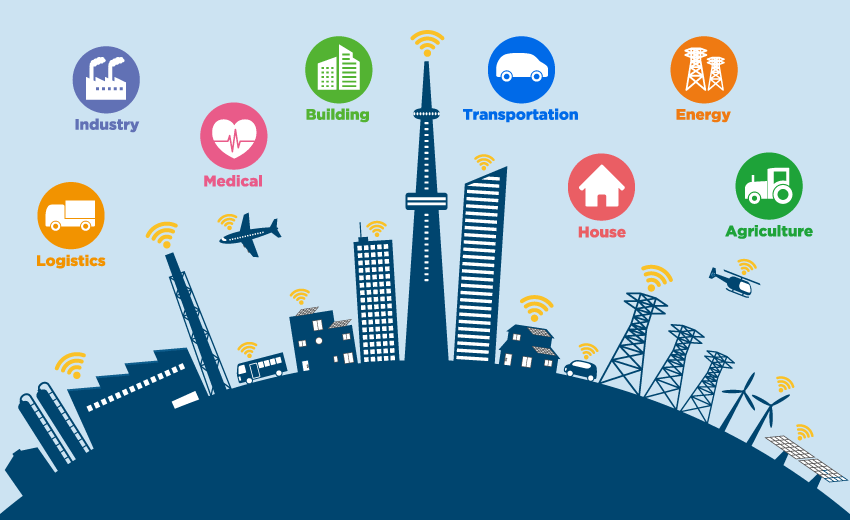
Modern smart cities rely on IoT sensors to continuously collect environmental information. These systems monitor:
- Temperature and heat stress levels
- Air quality and particulate matter
- Humidity levels
- Water consumption
- Energy demand
- Weather conditions
- Flood-prone areas
Because data is collected in real time, city operators gain immediate visibility into changing environmental conditions.
Consequently, authorities can respond quickly and allocate resources more effectively.
Supporting Faster and Smarter Decisions
Real-time information enables governments to act before challenges escalate.
For example, smart monitoring systems can detect abnormal water consumption, identify overheating infrastructure, or forecast areas at risk of flooding during heavy rainfall events.
Therefore, cities can reduce operational risks while improving public safety and service delivery.
Key Applications in Arabian Smart Cities
Managing Extreme Heat
Extreme temperatures represent one of the most significant challenges across the GCC region.
Using real-time temperature monitoring, cities can identify urban heat hotspots and implement targeted mitigation measures. These actions may include optimizing cooling systems, adjusting irrigation schedules, or increasing shaded public spaces.
Furthermore, predictive analytics can help authorities prepare for heatwaves before they occur.
As a result, cities can better protect vulnerable populations while reducing energy consumption.
Addressing Water Scarcity
Water is one of the region’s most valuable resources. Consequently, efficient management is essential for sustainable development.
Smart water systems use connected sensors to monitor distribution networks, detect leaks, and optimize consumption patterns.
In addition, real-time analytics helps municipalities identify inefficiencies and improve long-term planning.
This approach supports both sustainability objectives and operational efficiency.
Improving Air Quality and Public Health
Dust storms, traffic emissions, and industrial activity can affect air quality in many Arabian cities.
Real-time environmental monitoring allows authorities to track pollution levels continuously. Consequently, they can issue public alerts, adjust traffic management strategies, and implement targeted environmental policies when necessary.
The Role of IoT Platforms in Climate Resilience
Connecting Data Across Multiple Systems
Climate adaptation requires more than isolated monitoring solutions. Instead, cities need integrated platforms capable of bringing together information from multiple sources.
IoT platforms can connect environmental sensors, mobility systems, utilities, public infrastructure, and energy networks into a single operational environment.
Therefore, city managers gain a comprehensive view of urban performance and environmental conditions.
Transforming Data Into Actionable Intelligence
Advanced analytics platforms help cities move beyond monitoring and toward prediction.
Artificial intelligence can identify trends, forecast environmental risks, and support proactive decision-making. As a result, governments can anticipate challenges and optimize their responses before disruptions occur.
This capability is becoming increasingly important as cities pursue ambitious sustainability and smart city objectives.
Supporting Arabia’s Vision for Sustainable Growth
Across the region, governments are investing heavily in smart infrastructure and sustainable urban development.
Initiatives such as Saudi Vision 2030, smart city programs, digital transformation strategies, and sustainability roadmaps all share a common goal: creating resilient, efficient, and future-ready cities.
Real-time data provides the foundation for achieving these objectives. Furthermore, it enables public and private stakeholders to collaborate more effectively while improving service delivery and environmental performance.
Conclusion
The future of Arabian cities depends on their ability to adapt to changing environmental conditions. Fortunately, advances in IoT, artificial intelligence, and smart infrastructure are providing powerful tools to support this transition.
Through real-time data and climate adaptation, cities can better manage heat, conserve water, improve air quality, and strengthen resilience against climate-related challenges.
As the Gulf region continues its ambitious transformation journey, real-time data will remain a key driver of sustainable and intelligent urban development.
Contact our team to know more about our services: here