Smart waste management is becoming a key priority for cities across the GCC. As urban areas grow, municipalities need better ways to manage waste collection, optimize resources, and improve service quality. Therefore, connected technologies are now playing an important role in the future of urban operations.
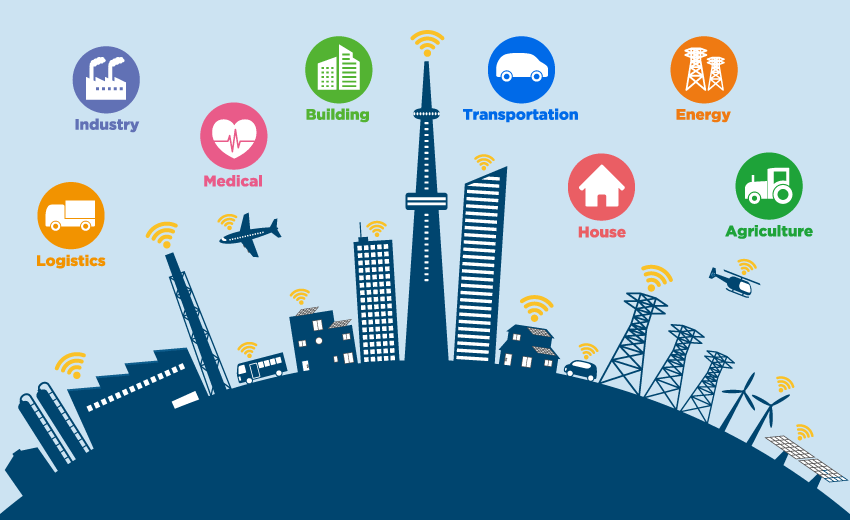
Across the Middle East, smart city strategies are moving beyond large infrastructure projects. Today, cities are also focusing on essential public services, including waste management, mobility, energy, and environmental monitoring. In this context, digital transformation helps municipalities make faster, better, and more informed decisions.
Why smart waste management matters in the GCC
Cities in the GCC are growing quickly. As a result, public services must become more efficient, scalable, and responsive. Waste management is one of the areas where this need is especially clear.
Traditional waste collection often depends on fixed routes, manual reporting, and limited real-time visibility. However, these methods can create inefficiencies. For example, some bins may be collected before they are full, while others may overflow before teams receive an alert.
Because of this, municipalities are looking for smarter systems. These systems can help track assets, monitor operations, and improve coordination between field teams and control centers.
Smart waste management technologies for modern cities
Smart waste management combines IoT, data platforms, field devices, and operational tools. Together, these technologies create a more connected waste collection model.
Instead of managing waste as a purely manual process, cities can use digital systems to monitor activity in real time. This gives teams better visibility over bins, vehicles, routes, and incidents.
RFID-enabled bins for better asset tracking
RFID technology allows waste bins to be identified automatically. This helps municipalities know which bins have been serviced, where they are located, and how assets are distributed across different zones.
Moreover, RFID-enabled bins can support better reporting. They create a clearer record of collection activity, which helps improve accountability and planning.
GPS and PDA tools for route control
GPS and PDA-based tools allow teams to monitor vehicles and collection activity more effectively. Drivers and operators can follow assigned routes, report issues, and update service status from the field.
As a result, control centers can understand what is happening across the city. They can also respond faster when a delay, missed pickup, or operational issue appears.
Real-time data for faster decision-making
Real-time data is one of the most valuable parts of a smart waste management system. It helps cities move from reactive operations to proactive management.
For example, teams can identify overflow alerts, route delays, and service gaps earlier. Then, they can take action before small issues become larger problems.
In addition, real-time dashboards allow decision-makers to compare zones, monitor performance, and analyze trends over time.
How connected waste operations improve city services
Connected waste operations can create value in several ways. First, they improve visibility. Municipal teams can track bins, vehicles, and routes from a centralized platform.
Second, they support better route planning. When cities understand collection patterns and service needs, they can allocate resources more efficiently.
Third, they improve service coordination. Field teams, managers, and municipal departments can work with the same operational information.
Some of the main benefits include:
- More efficient waste collection routes
- Better tracking of bins and vehicles
- Faster response to overflow or service alerts
- Improved coordination between field teams
- Stronger reporting and operational transparency
- More scalable urban service models
Therefore, smart waste management does not only improve collection. It also strengthens the way cities plan, manage, and deliver essential services.
Smart waste management in Qatar: a regional example
Qatar offers a strong example of how smart waste management can support urban transformation. In a smart city initiative, a connected waste management solution was deployed across key districts to modernize waste operations and improve service efficiency.
The solution combined RFID-enabled bins, GPS and PDA-based route control, real-time data integration, and a modular architecture. This approach helped create a more visible, coordinated, and scalable waste management model.
Although every city has different needs, the same principles can support urban development across the GCC. Cities need systems that can grow with them, integrate with existing municipal platforms, and support practical decision-making.
The role of smart waste management in future GCC smart cities
Smart city development in the GCC is increasingly focused on practical impact. While large-scale innovation remains important, cities also need solutions that improve daily operations.
Waste management is a clear example. It affects cleanliness, public satisfaction, operational costs, and environmental performance. Therefore, improving this service can create visible value for both municipalities and citizens.
As GCC cities continue to invest in digital transformation, smart waste management will become an important part of the urban technology ecosystem. It connects IoT, data, field operations, and sustainability into one practical use case.
Conclusion
Smart waste management is reshaping how cities in the GCC manage essential urban services. By using IoT, real-time data, RFID-enabled assets, and digital dashboards, municipalities can improve visibility, optimize routes, and deliver better services.
For fast-growing cities in the Middle East, this type of solution supports cleaner, more efficient, and more responsive urban environments. More importantly, it shows how digital transformation can create practical value in everyday city operations.