Digital twins in predictive maintenance are transforming how cities across the Middle East manage and maintain critical infrastructure. As urban environments expand rapidly, traditional maintenance approaches are no longer sufficient.
Instead of reacting to failures, cities can now anticipate issues, optimize resources, and ensure long-term performance. Therefore, digital twins are becoming a key enabler of scalable and future-ready infrastructure.
What Are Digital Twins in Predictive Maintenance?
From Reactive to Predictive Infrastructure Management
Traditionally, infrastructure maintenance has been reactive or based on fixed schedules. However, in large-scale and fast-growing urban environments, these approaches often lead to inefficiencies.
In contrast, digital twins in predictive maintenance enable a shift toward proactive, data-driven strategies. By creating a virtual replica of physical assets, cities can monitor infrastructure in real time and anticipate potential failures.
This approach is particularly relevant in regions experiencing rapid development and high infrastructure demand.
The Role of IoT and Real-Time Data
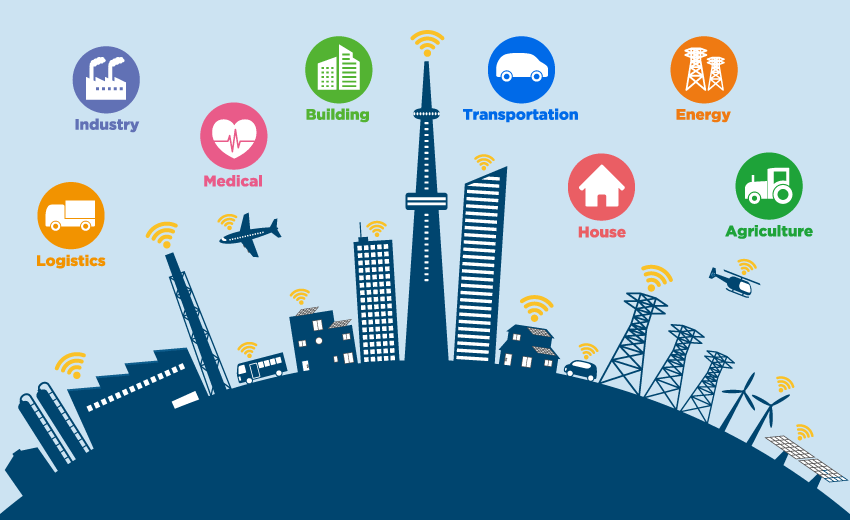
Digital twins rely on IoT sensors embedded in infrastructure such as transport networks, energy systems, and large urban developments.
These sensors continuously collect data on performance, environmental conditions, and usage patterns. Moreover, this data is integrated into centralized platforms, providing a real-time and dynamic view of operations.
As a result, decision-makers gain better visibility across complex and interconnected systems.
How Digital Twins Enable Predictive Maintenance
Continuous Monitoring in Large-Scale Environments
One of the main advantages of digital twins in predictive maintenance is continuous monitoring. This is especially critical in large and complex infrastructure projects.
Instead of relying on periodic inspections, systems operate in real time. Therefore, anomalies and performance deviations can be detected early, even across distributed assets.
Predictive Analytics for Harsh and Demanding Conditions
Digital twins analyze both historical and real-time data to identify patterns. Consequently, they can predict when and where failures are likely to occur.
In regions with extreme temperatures and demanding environmental conditions, this capability becomes even more valuable. For example, energy systems and outdoor infrastructure can be monitored to prevent overheating, degradation, or performance loss.
As a result, cities can ensure reliability even in challenging environments.
Optimized Maintenance and Resource Allocation
Predictive insights allow maintenance teams to act only when necessary. Therefore, resources are allocated more efficiently across large-scale developments.
Additionally, this approach minimizes downtime and reduces disruptions. Consequently, infrastructure remains operational and reliable for both residents and businesses.
Benefits for Smart Cities and Mega Developments
Cost Efficiency at Scale
Large infrastructure projects require significant investment. However, digital twins in predictive maintenance help reduce unnecessary costs.
By optimizing maintenance schedules and extending asset lifespan, cities achieve better return on investment.
Enhanced Safety and Risk Prevention
In high-density and high-value environments, infrastructure failures can have major consequences. Therefore, early detection and prevention are critical.
Digital twins identify vulnerabilities before they escalate. As a result, cities can ensure higher safety standards and reduce operational risks.
Supporting Sustainability Goals
Sustainability is a key priority for many Middle Eastern cities. Efficient maintenance plays a crucial role in achieving these goals.
By reducing waste, optimizing energy usage, and improving system performance, digital twins contribute to more sustainable urban development.
Applications Across Key Sectors
Smart Cities and Urban Developments
Digital twins support the planning and maintenance of large urban projects and smart districts. For example, they can simulate infrastructure performance and optimize operations across entire developments.
This ensures scalability and long-term efficiency.
Energy and Utilities
Energy systems in the region require high reliability and performance. Digital twins help predict demand, detect inefficiencies, and prevent failures.
Therefore, utilities become more resilient and adaptable.
Mobility and Transportation
Transport networks benefit from predictive maintenance through improved monitoring and forecasting. As a result, cities can reduce congestion, prevent disruptions, and enhance mobility.
Why Digital Twins Are Key for Future-Ready Cities
As cities across the Middle East continue to grow, infrastructure must evolve accordingly. Therefore, data-driven tools are essential for managing complexity and scale.
Digital twins in predictive maintenance enable cities to move from reactive operations to proactive strategies. This shift improves efficiency, reliability, and long-term planning.
Moreover, they support the development of integrated and intelligent urban ecosystems.
Enabling Smarter Infrastructure at Scale
The adoption of digital twins in predictive maintenance represents a strategic advantage for cities aiming to lead in innovation and infrastructure excellence.
By combining real-time monitoring, predictive analytics, and optimized decision-making, digital twins enable smarter and more resilient systems.
As the region continues to invest in large-scale and future-focused developments, predictive maintenance will become a fundamental pillar of smart infrastructure.
Contact our team to know more about our services: here