The evolution of smart cities in the Middle East is accelerating at an unprecedented pace. Driven by ambitious national visions and large-scale investments, cities in the region are moving rapidly from basic IoT deployments to fully integrated and autonomous environments.
At the forefront of this transformation, MTi Arabia supports governments and organizations in building scalable, data-driven urban ecosystems. As a result, cities are becoming smarter, more efficient, and future-ready.
Understanding the Evolution of Smart Cities in the Middle East
From Infrastructure to Intelligence
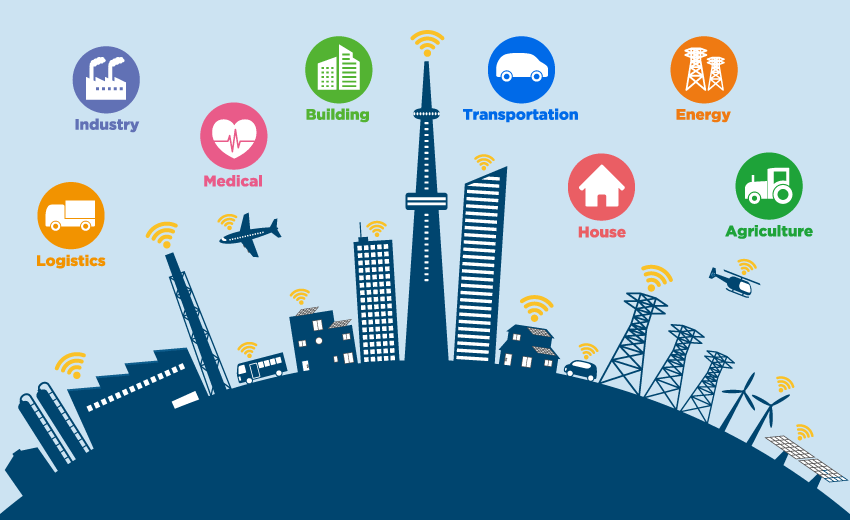
Initially, smart city initiatives focused on deploying IoT infrastructure. Sensors and connected devices were installed to monitor traffic, energy, and environmental conditions.
However, the evolution of smart cities in the Middle East quickly moved beyond connectivity. Governments began prioritizing integrated platforms that centralize and analyze data. Therefore, cities gained real-time visibility and control over urban operations.
Strategic Vision Driving Transformation
Unlike many regions, smart city development in the Middle East is strongly driven by national strategies. Long-term visions focus on digital transformation, sustainability, and economic diversification.
Consequently, cities are designed not only to be smart but also scalable and resilient from the ground up.
From IoT Networks to Integrated Urban Platforms
Breaking Silos Across City Systems
As IoT deployments expanded, data fragmentation became a challenge. Different systems operated independently, limiting their potential.
Therefore, the next stage in the evolution of smart cities in the Middle East focused on integration. Platforms now connect multiple domains into unified ecosystems.
MTi Arabia’s Approach to Integration
MTi Arabia specializes in building value ecosystems that connect infrastructure, data, and stakeholders. Instead of isolated solutions, the focus is on interoperability and scalability.
For example, integrated platforms enable cities to combine:
- Mobility and transportation data
- Environmental monitoring systems
- Energy management solutions
- Public safety infrastructure
As a result, decision-makers gain a comprehensive view of urban operations.
Advanced Analytics and Predictive Intelligence
From Reactive to Predictive Cities
Once systems are integrated, data becomes actionable. Cities in the region increasingly rely on advanced analytics to identify patterns and trends.
Therefore, the evolution of smart cities in the Middle East is shifting toward predictive management. Cities can anticipate issues before they occur.
AI-Powered Urban Insights
Artificial intelligence enhances this transformation. Machine learning models process large datasets and generate accurate forecasts.
For instance, cities can predict traffic congestion, optimize energy consumption, and detect infrastructure anomalies. Consequently, operations become more efficient and proactive.
Automation and Autonomous Urban Environments
From Insights to Action
The most advanced phase of the evolution of smart cities in the Middle East is automation. Systems not only provide insights but also act on them.
For example, smart traffic systems adjust in real time. Similarly, energy networks optimize distribution automatically.
Building Future-Ready Cities
Autonomous environments rely on continuous communication between systems. By combining IoT, AI, and cloud technologies, cities can operate dynamically.
As a result, they achieve:
- Optimized resource management
- Reduced operational costs
- Improved service delivery
- Enhanced citizen experience
Moreover, these systems support long-term sustainability goals.
Why the Middle East Is Leading Smart City Innovation
Large-Scale Urban Developments
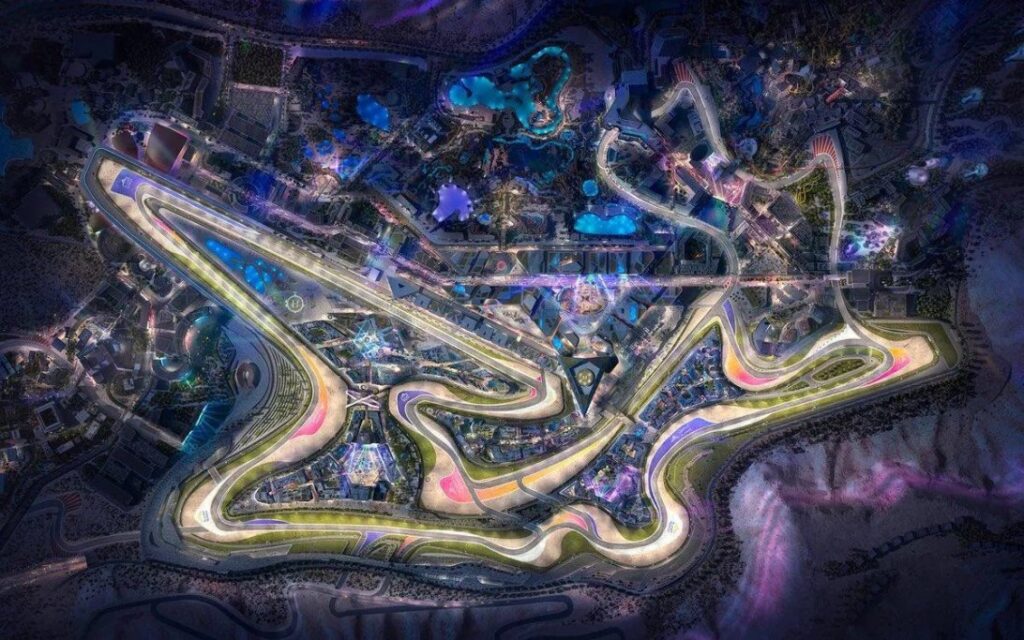
The region is home to some of the world’s most ambitious smart city projects. These developments integrate technology from the planning phase, allowing faster adoption and scalability.
Strong Public-Private Collaboration
Collaboration between governments and technology providers plays a key role. Companies like MTi Arabia work closely with stakeholders to deliver tailored solutions.
Therefore, innovation is accelerated across sectors such as mobility, energy, and infrastructure.
The Role of MTi Arabia in This Transformation
MTi Arabia contributes to the evolution of smart cities in the Middle East through:
- Engineering development and system integration
- IoT platform deployment
- Digital twin and data analytics solutions
- Ecosystem building and technology partnerships
Furthermore, the company ensures that solutions are adaptable to different urban contexts and long-term strategies.
A Continuous Transformation
The evolution of smart cities in the Middle East reflects a shift toward intelligent, autonomous, and data-driven environments.
With the support of companies like MTi Arabia, cities are not only becoming smarter but also more sustainable and resilient.
As this transformation continues, the region is set to become a global benchmark for next-generation urban innovation.
Contact our team to know more about our services: here