Infrastructure resilience Arabia is becoming a critical priority as cities across the region expand and modernize at an unprecedented pace. From smart cities to large-scale urban developments, infrastructure must remain reliable, efficient, and adaptable.
However, rapid growth also introduces complexity. Systems must handle increasing demand, integrate multiple technologies, and respond to real-time challenges.
At MTi Arabia, we support organizations in building resilient infrastructure by focusing on three essential pillars: redundancy, interoperability, and real-time monitoring.
The Foundations of Infrastructure Resilience in Arabia
Redundancy: Ensuring Operational Continuity at Scale
First, redundancy ensures that critical systems remain operational even during failures. In large-scale projects across Arabia, uninterrupted service is essential.
For example, backup communication networks and duplicate systems allow operations to continue without disruption. This approach is particularly important in sectors such as mobility, energy, and public services.
As a result, redundancy reduces downtime and enhances system reliability. Nevertheless, resilient infrastructure also requires seamless system integration.
Interoperability: Connecting Complex Ecosystems
Infrastructure in Arabia often involves multiple stakeholders, platforms, and technologies. Therefore, interoperability becomes a key success factor.
Interoperability allows systems to exchange data and function as a unified ecosystem. Without it, data silos limit visibility and slow down decision-making.
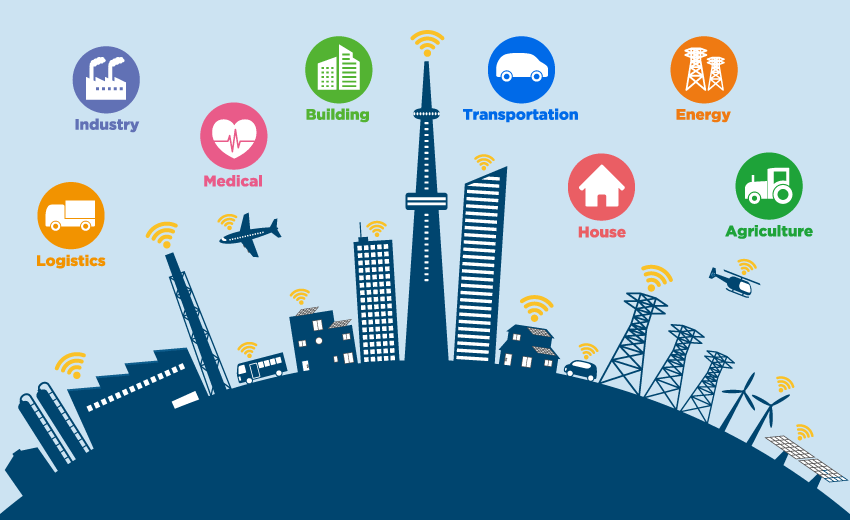
For instance, integrating environmental monitoring, transportation systems, and energy platforms provides a comprehensive operational view. Consequently, operators can manage resources more effectively.
At MTi Arabia, we design interoperable ecosystems where IoT platforms, data systems, and third-party technologies work together seamlessly. This ensures scalability and long-term efficiency.
Real-Time Monitoring: Enabling Proactive Infrastructure Management
While redundancy and interoperability provide the foundation, real-time monitoring enables intelligent operations.
Real-time data allows operators to detect anomalies, anticipate risks, and respond immediately. Instead of reacting to issues, organizations can prevent them.
For example, predictive maintenance powered by live data helps avoid equipment failures and reduces operational costs. Additionally, continuous monitoring improves visibility across all infrastructure systems.
Therefore, real-time monitoring transforms infrastructure from reactive to proactive.
How These Pillars Drive Smart Infrastructure in Arabia
Each pillar delivers value individually. However, their full potential emerges when combined.
- Redundancy ensures continuous operations
- Interoperability connects systems and data
- Real-time monitoring enables fast, informed decisions
Together, they create resilient infrastructure capable of supporting large-scale smart city initiatives.
For example, in a smart city project in Arabia:
- IoT sensors collect real-time data
- Platforms integrate and analyze information
- Operators receive actionable insights instantly
- Backup systems guarantee uninterrupted services
As a result, cities can maintain efficiency even in complex and dynamic environments.
The Role of IoT in Infrastructure Resilience Arabia
Powering Smart Cities and Mega Projects
IoT technology plays a central role in enabling infrastructure resilience Arabia. By connecting assets and systems, IoT creates a continuous flow of data across the ecosystem.
At MTi Arabia, our solutions enable organizations to:
- Monitor infrastructure in real time
- Integrate multiple data sources
- Build scalable digital platforms
- Optimize operations across sectors
Consequently, infrastructure becomes more intelligent, connected, and efficient.
From Reactive Systems to Predictive Operations
Traditionally, infrastructure management relied on reactive approaches. However, IoT and data analytics shift this model toward predictive operations.
Because of real-time monitoring:
- Potential failures are identified early
- Maintenance becomes proactive
- Resource allocation improves
As a result, organizations increase efficiency while reducing operational risks.
Building Future-Ready Infrastructure in Arabia
Infrastructure resilience is essential for supporting the region’s long-term vision. Rapid urbanization, sustainability goals, and digital transformation require adaptable systems.
Therefore, organizations must invest in infrastructure that can evolve over time.
By combining redundancy, interoperability, and real-time monitoring, infrastructure becomes:
- Scalable for future expansion
- Flexible to integrate new technologies
- Reliable under changing conditions
At MTi Arabia, we help organizations design and implement resilient infrastructure systems that align with regional ambitions and global standards.
Conclusion
As Arabia continues to lead large-scale transformation projects, infrastructure resilience becomes a key enabler of success.
Infrastructure resilience Arabia depends on systems that remain operational, connected, and intelligent. Redundancy, interoperability, and real-time monitoring are essential components of this transformation.
MTi Arabia is committed to empowering cities with secure, scalable, and smart infrastructure. As threats evolve, so must our defenses.Contact our team to explore how we can help you build safer smart city environments.